Can you solve your data problems by migrating to a new donor database?
Sometimes—but almost never for the reason you think.
In most nonprofits, the database isn’t the root problem. If your processes are inconsistent or your data is messy, migrating to a new system simply transfers those issues into a new environment.
Before changing systems, organizations need clear strategy, shared definitions, and consistent processes—otherwise, the mess just follows you.
Key Takeaways
- A new donor database won’t fix broken processes
- Clean data depends on clear definitions and consistent practices
- Strategy should drive your database—not the other way around
- Database administrators play a critical role in fundraising success
- AI in donor databases requires discipline, not just new tools
If you’ve ever heard a development director say “we need a new database,” you’ll want to listen to this episode.
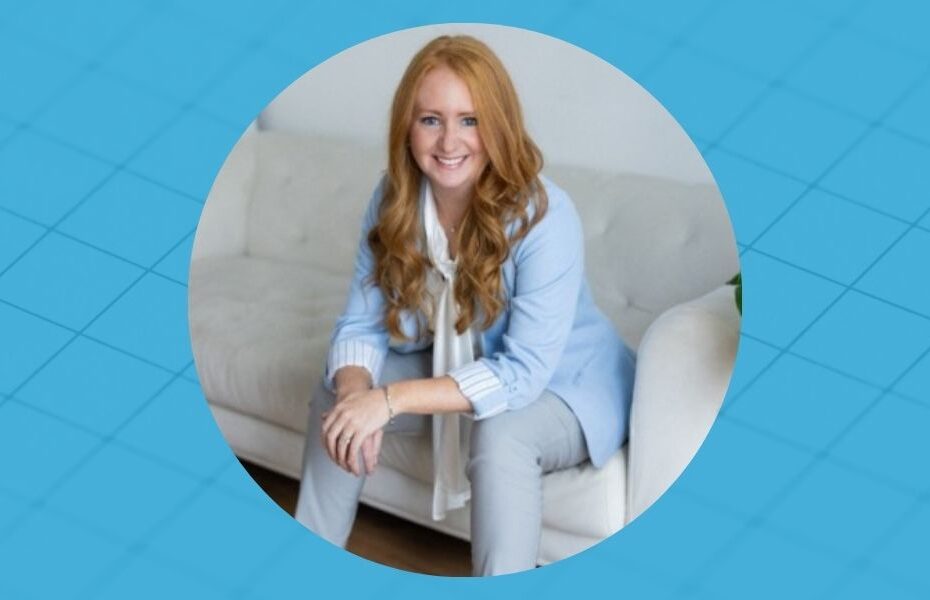
Tricia Marsherall is the founder and CEO of Donor Database Experts, working with nearly 100 nonprofits across 30 states. She lives inside donor databases all day — and her message is practical, candid, and honestly refreshing: the database is rarely the problem.
Why does donor database strategy need to come first?
The organizations Tricia sees thriving have one thing in common: they slow down long enough to ask the right questions before building anything. She coaches database administrators to ask her favorite question: What do you want the end result to be?
And when it comes to building process for major gifts, Tricia’s favorite question is: What’s the definition of a major gift?
“Every single person on the team typically has a different definition,” she told Jen. You can’t build consistent coding, reporting, or portfolio strategy if people aren’t speaking the same language. The database should reflect your strategy — not the other way around.
Can a new donor database fix bad data habits?
Switching systems is expensive, time-consuming, and — according to Tricia — almost never the answer. If your processes are inconsistent or your data is messy, the mess migrates with you.
“A new database can’t save you from poor habits.” Before vetting a new platform, she says, do the harder work: question why things are done the way they’re done, and whether there’s a better way to manage the process in the system you already have.
Why is your database administrator critical to fundraising success?
Most nonprofits don’t realize how much they depend on their database administrator until that person is gone. When the work is done well, it’s nearly invisible. When it disappears, everything stops.
For prospect researchers especially, that relationship matters. The database sits at the center of the research-operations-fundraising triangle — and investing in it proactively beats scrambling in a crisis every time.
How does AI make donor database strategy even more important today?
Tricia also weighed in on AI in donor databases — and her take is worth hearing. She’s not against it, but she’s clear that responsible deployment requires strategy, stakeholder alignment, and a willingness to move deliberately rather than react to the hype.
Sound familiar? It’s the same discipline that makes fundraising operations work in the first place.
Listen to the full episode to hear Tricia’s preventative care recommendations, her take on when switching databases actually does make sense, and what she’d tell every gift officer about how to work with their database team.
Resources Mentioned
- Connect with Tricia on LinkedIn
- Donor Database Experts | Knowledge Hub
- Good to Great: Why Some Companies Make the Leap…and Others Don’t | Jim Collins